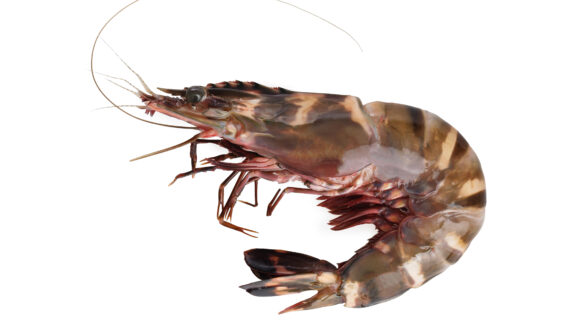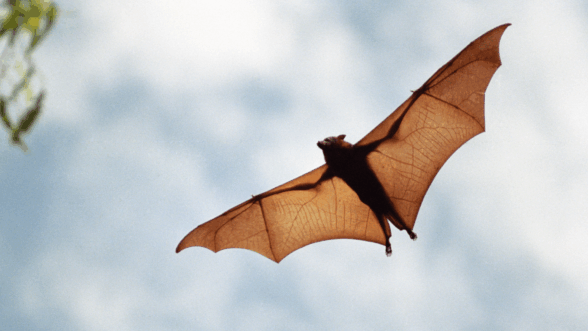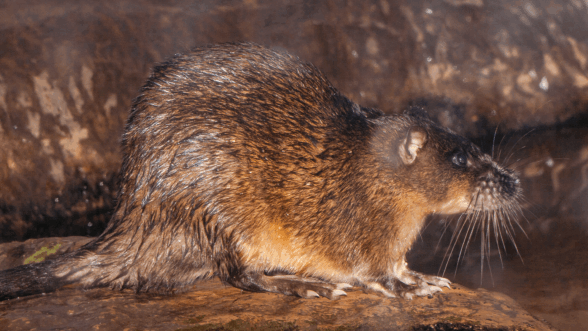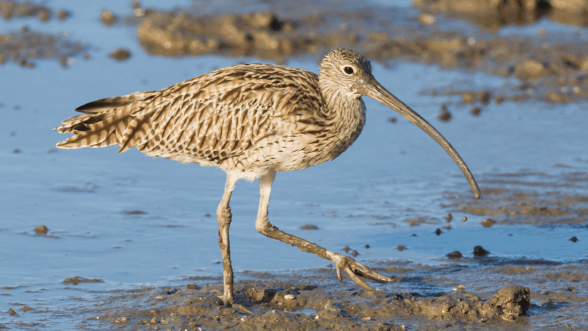
A unique, coastal habitat, these forests predominantly consist of salt-tolerant shrubs and trees which are able to thrive in muddy water.
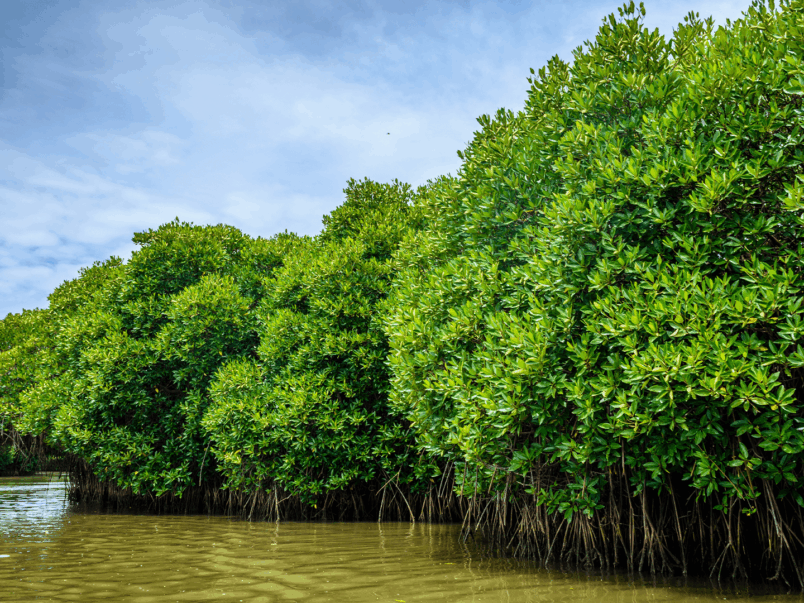
Mangrove forests are found where land meets the sea. A unique, coastal habitat, these forests predominantly consist of salt-tolerant shrubs and trees which are able to thrive in muddy water.
As its name suggests, this habitat is home to a variety of mangrove species which play a critical role in protecting coastal regions, support marine biodiversity and provide essential ecological benefits.
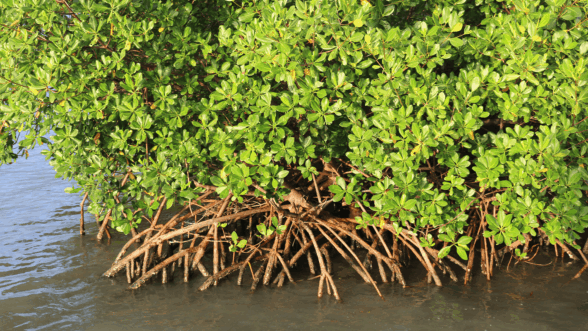
Uniquely, mangroves can tolerate saline water through various adaptations including salt-filtering membranes within their roots, salt-excreting leaves, and aerial roots which are able to take in oxygen above water. Additionally, mangroves can tilt their leaves away from the midday sun, reducing their direct exposure and lowering evaporation levels.
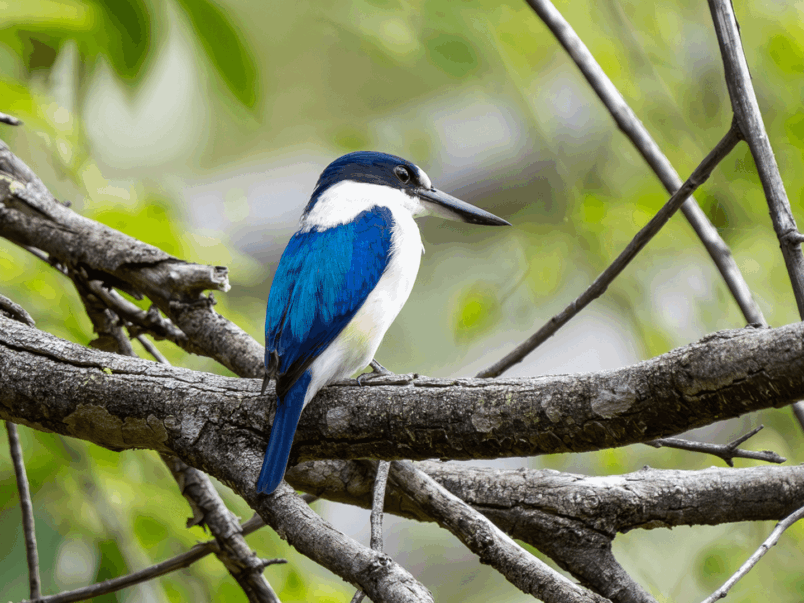
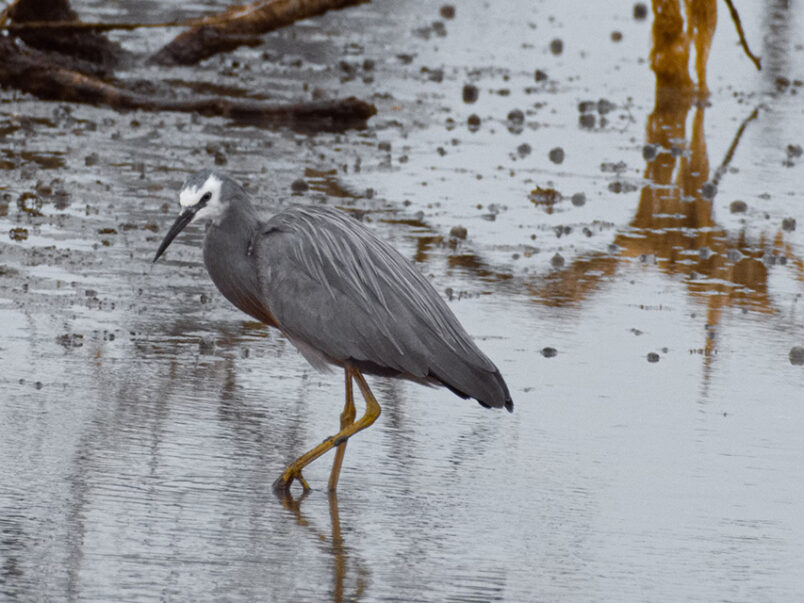
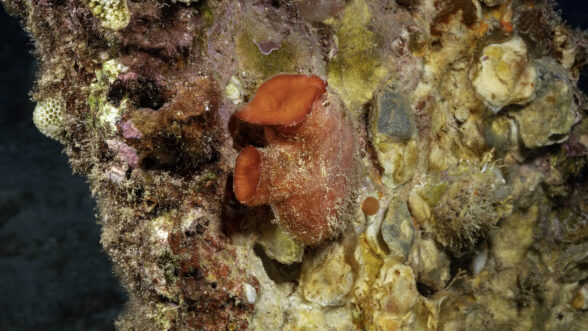
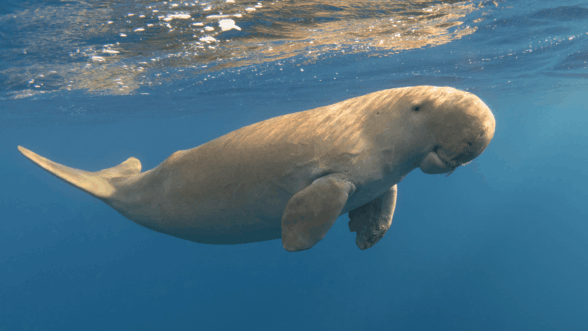
From dugongs through to birds, fish and crustaceans, this forest offers shelter, food and breeding grounds for both land and sea creatures. Mangroves act as nurseries providing essential nutrients, and protection for fauna including crabs, juvenile fish, and prawns– the protection of mangroves is critical to maintaining fish stocks
Acting as a natural barrier, the complex root structures of mangroves retain soil and this habitat helps shield coastlines from erosion and storm surges.
With the ability to store large amounts of carbon in their roots and soil for thousands of years, mangrove forests are also helping to fight climate change.
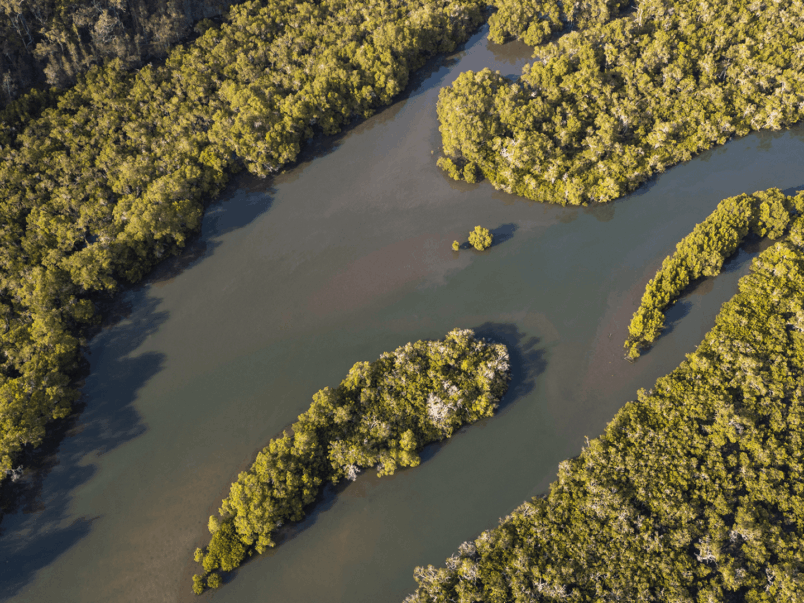
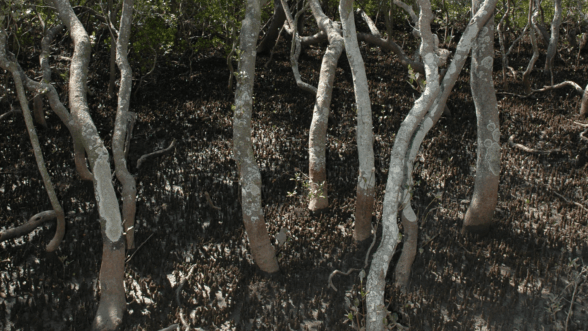
Mangrove trees are so resilient that they can survive in saltwater and many have adapted to muddy conditions by raising part of their roots above the mud and covering them with special breathing cells (lenticels) which draw in air.