
Beaches & foreshore
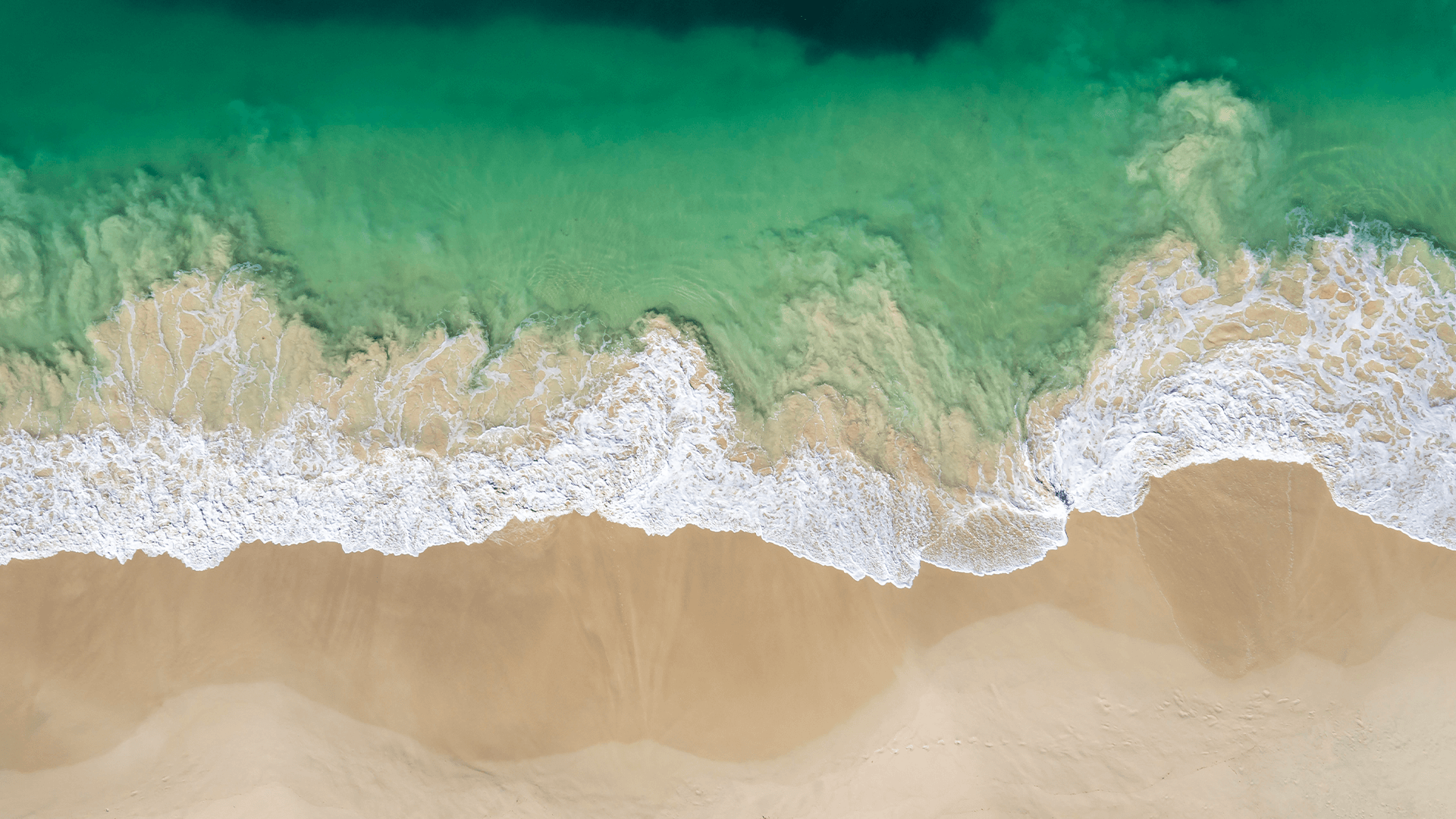
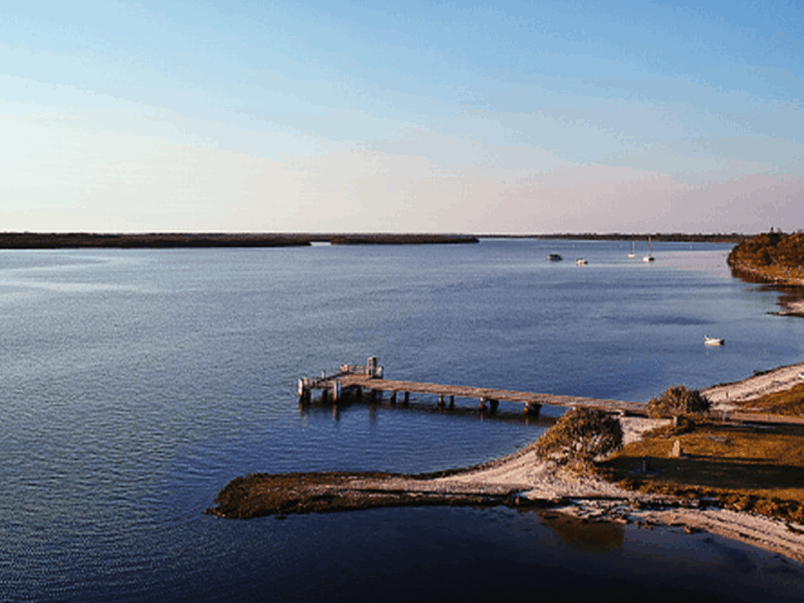
Positioned along the sparkling shores of Caloundra’s coastline is the Pumicestone Passage, stretching 35 kilometres from Deception Bay to the northern tip of Bribie Island. It contains 24 islands and 240 kilometres of shoreline, and it gets its name from the pumice stones scattered along its edges.
The Passage is a shallow estuary where rivers meet the sea. It includes a mix of tidal channels, sandbanks, mudflats, saltmarsh, mangrove forests, swamps, sandflats, and seagrass meadows. These diverse habitats support a variety of wildlife, including:
The waterway is also home to a variety of marine life, including dugongs that feed on seagrass, turtles such as Green and Loggerhead species, as well as dolphins, sharks, rays and fish.
The Pumicestone Passage forms part of the Moreton Bay Marine Park which is protected under the RAMSAR Convention on Wetlands. Estuaries like the Pumicestone Passage are a vital natural resource because they are unique ecosystems where land and marine environments connect.
Aura is located within the catchment for the Pumicestone Passage, and three waterways run through the community: Lamerough Creek, Bells Creek North and Bells Creek South, which join before reaching the Passage.
As part of Aura’s design, an Integrated Water Cycle Management System ensures that all the water that lands on the site is appropriately ‘polished’ and treated before it reaches creeks in the area. This ensures the protection of downstream creeks and the Pumicestone Passage and dependent ecosystems. Find out more about Aura’s water system.