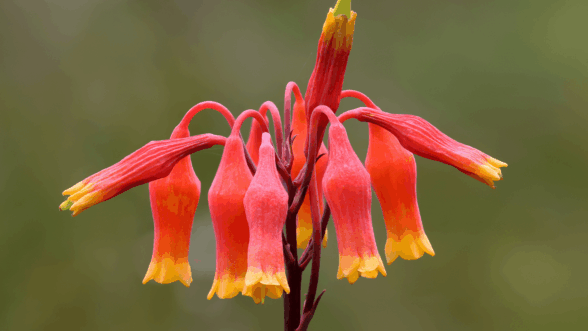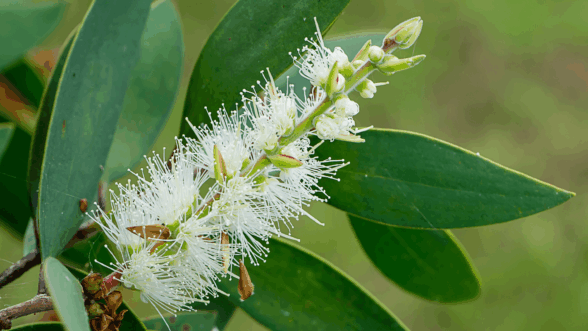
Wallum habitat is an Australian ecosystem of coastal south-east Queensland, extending into north-eastern New South Wales.
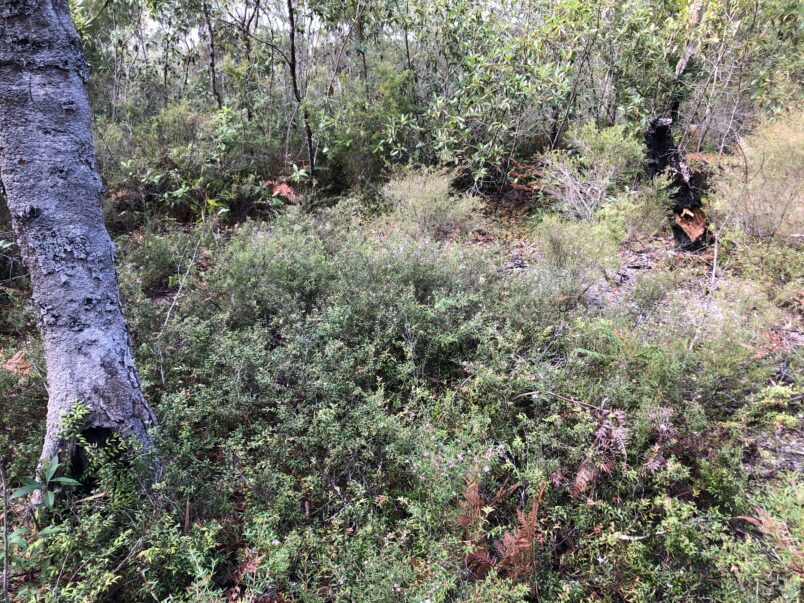
Wallum habitat defined by nutrient-poor, sandy, and acidic soils. This habitat includes a number of plant and animal species which have uniquely adapted to these challenging conditions.
Wallum habitat can include a range of vegetation communities, including heathland, wetlands, woodlands, and forests that have these sandy and nutrient poor soils.
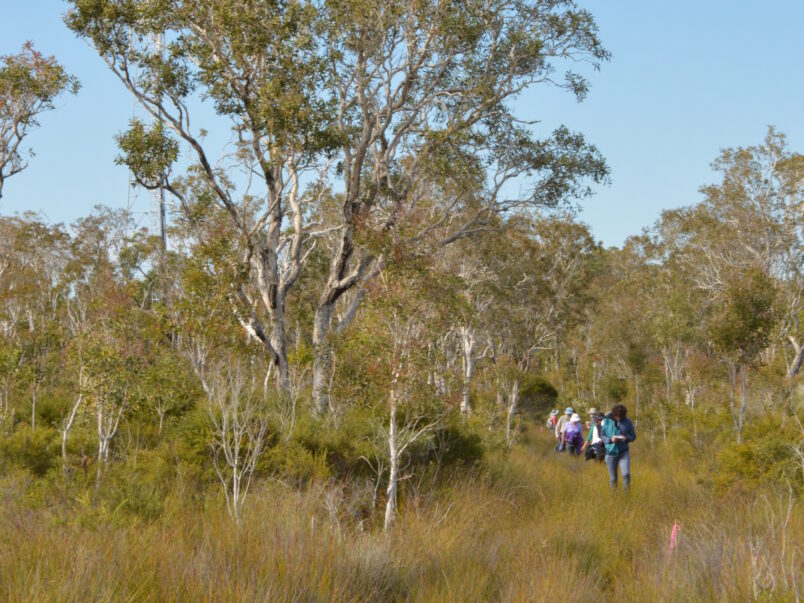
A significant region to highlight within the Wallum habitat is the wet heathland. Aside from providing a setting for moisture-loving and fire-adapted species, wet heathland offers an ideal environment for naturally occurring acid ponds to form nearby. These ponds are characterised by their low pH (often below 5.5), where specialised species like acid frogs thrive.
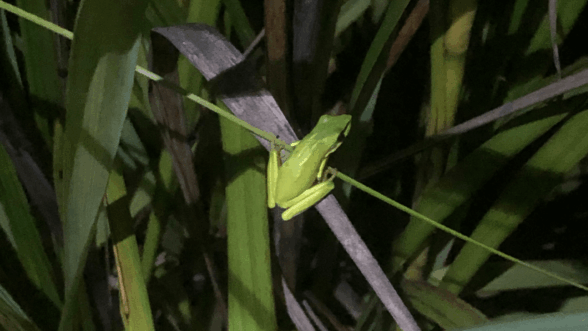
Home to the Wallum Sedge frog, Wallum Froglet and Wallum Rocket frog, acid ponds are critical to the population growth of these rare frogs, as they uniquely live and breed in naturally highly acidic wetlands, typically with a pH range of 3.0 to 5.0.
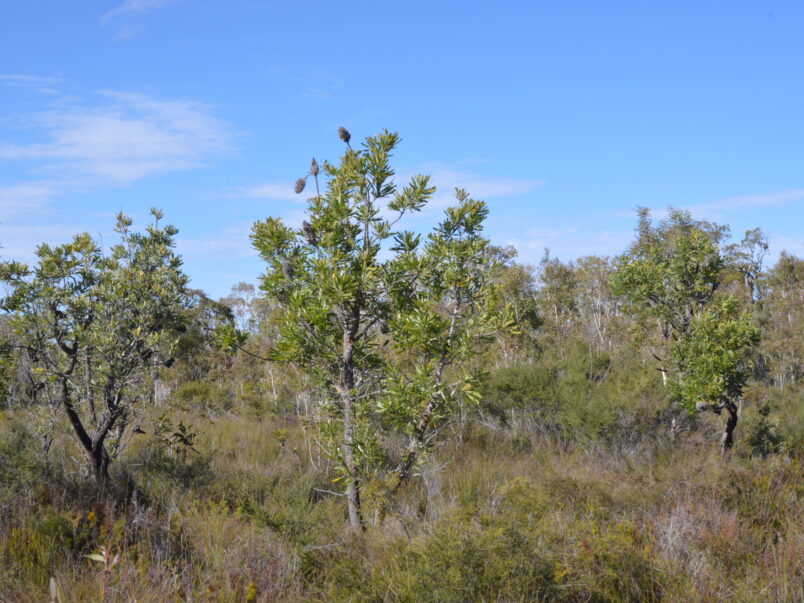
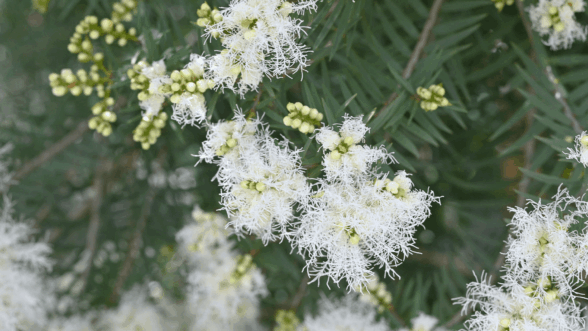
Wallum was the name given to species of banksia by the Kabi Kabi people, the Traditional Owners of the Sunshine Coast and Wide Bay. Over time, the name Wallum was widened to refer to the range of swamps, heaths and woodlands growing on low sandy soils along a coastal strip.