Blackbutt forest is a common and widespread habitat located along the eastern coast of Australia.
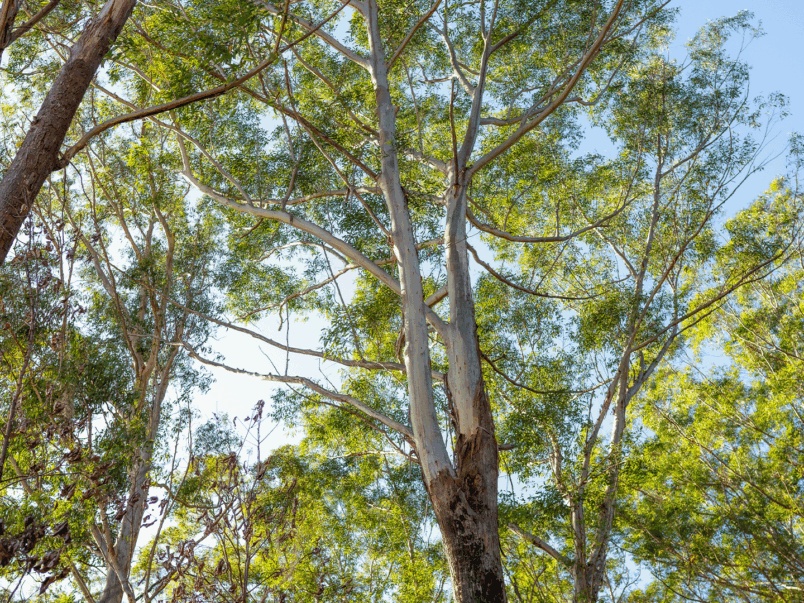
Featuring one of Australia’s most resilient trees, the Blackbutt forest is a common and widespread habitat located along the eastern coast of Australia.
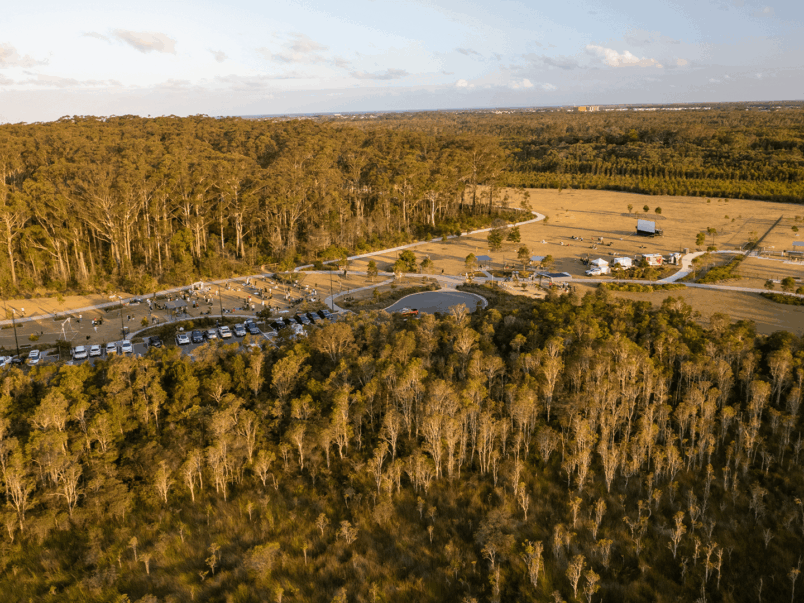
This habitat is dominated by blackbutt trees, which are a type of eucalypt. Reaching up to 70m in height, blackbutt trees are fast-growing and have adapted to fires, they have even been named after their frequently charred, rough and dark tree trunk base which is particularly evident after a bushfire.
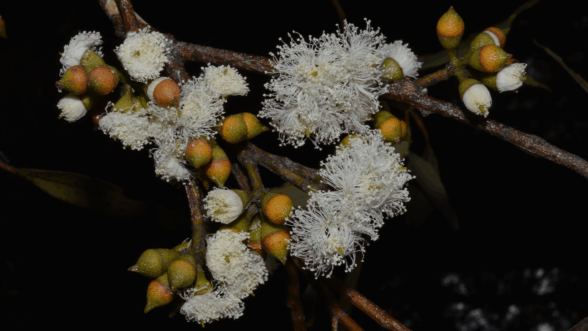
Alongside blackbutt trees in the forest’s overstory, are a mix of other eucalyptus species such as spotted and grey gums, and hard corkwood; whilst banksias, wattles, prickly tea trees and ferns can be found in its understory.
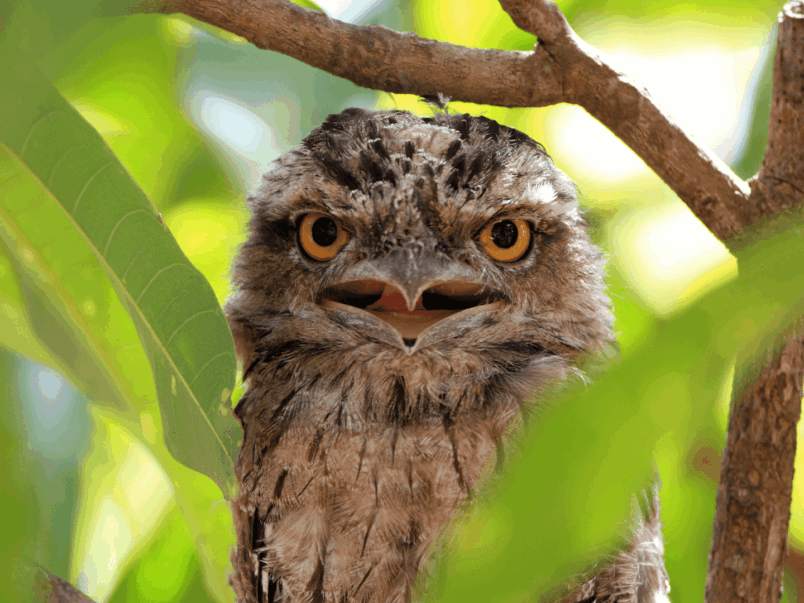
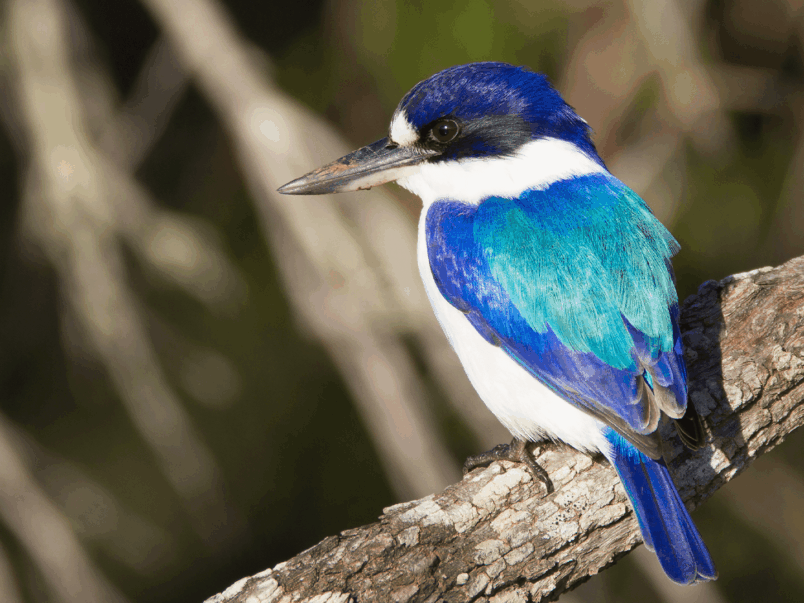
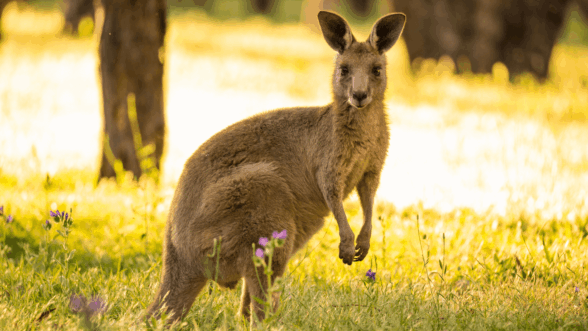
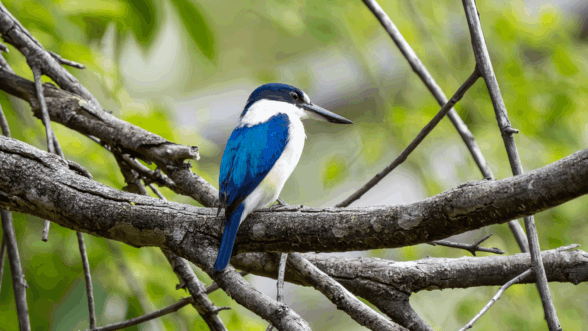
Blackbutt forests provide food and shelter for a variety of wildlife, from tree-dwelling marsupials through to reptiles and ground-dwelling birds.
This habitat also helps support vital pollinators such as the blue-banded bee, and plays a role in fire recovery, given that blackbutt trees are fire-resistant and regenerate quickly after bushfires.
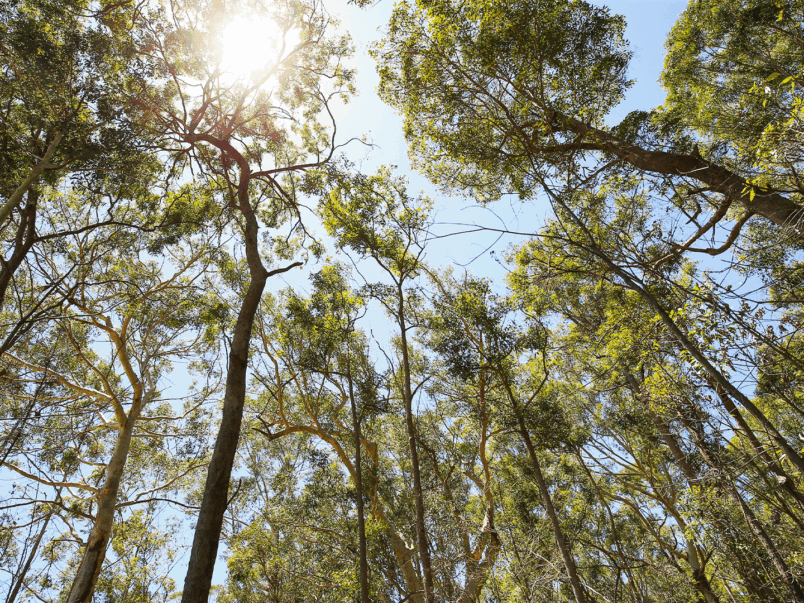
Blackbutt trees are some of the fastest growing eucalyptus species and can grow to over 70m!




The Australian Brush Turkey is a distinctive, large ground-dwelling bird, located throughout eastern Australia.
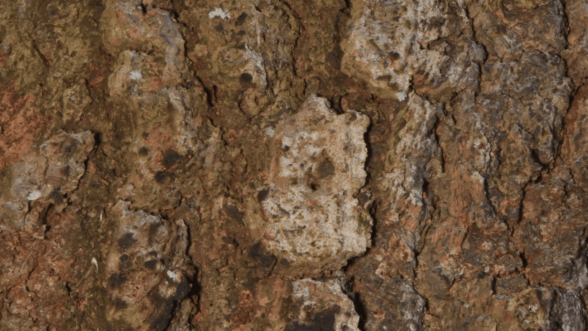
The corkwood tree is a common species located in lowland forests within eastern Australia.
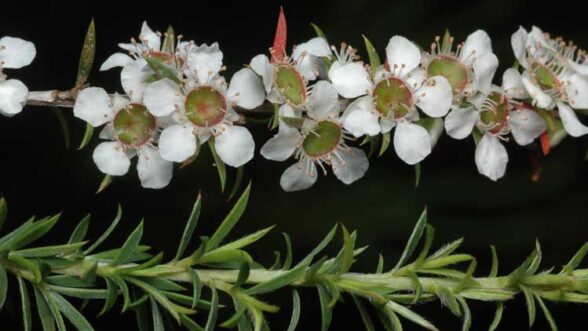
The Prickly Tea Tree is a species of broom-like shrub that is endemic to eastern Australia.

Blueberry Ash is an Australian evergreen species, described as either a small tree or short shrub.