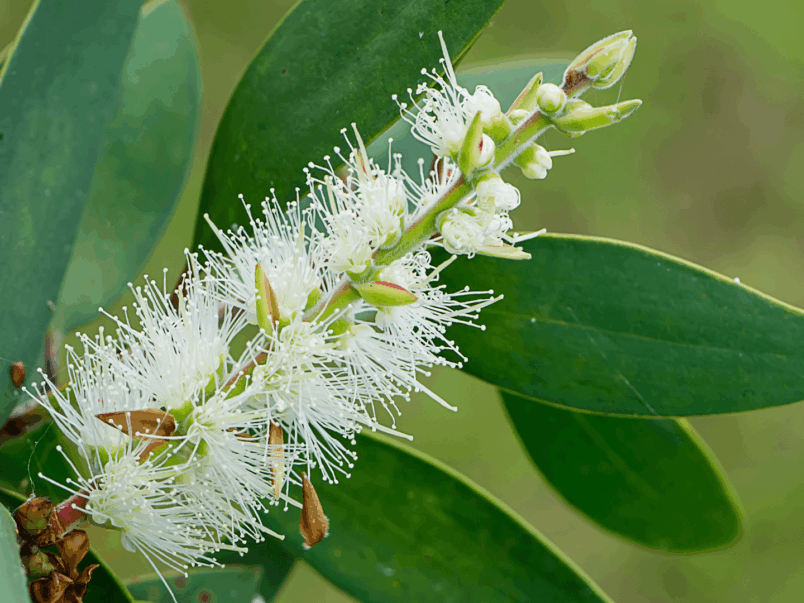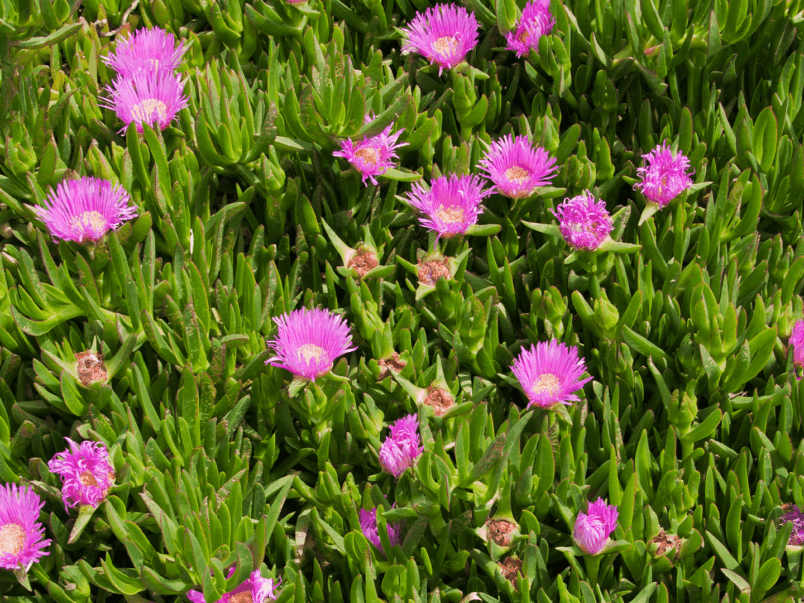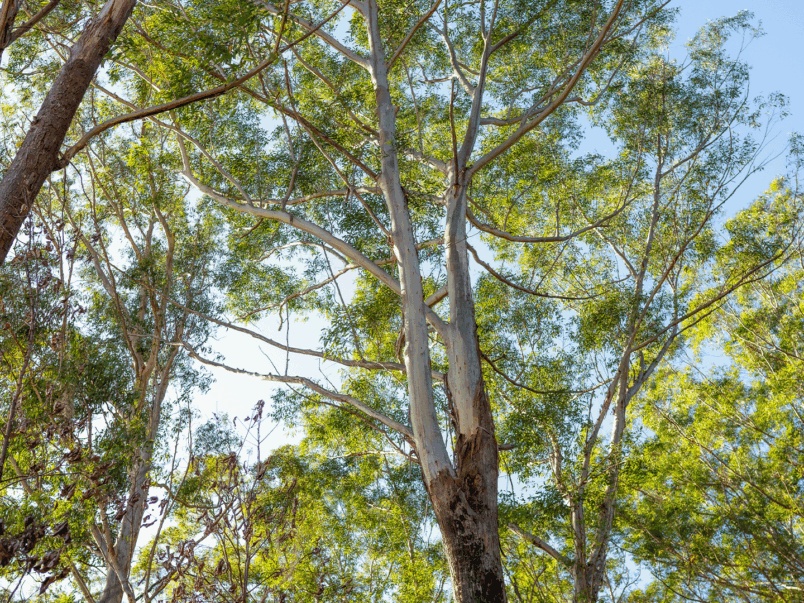
Stretching along the Sunshine Coast are sandy beaches, dunes, rocky shores and tidal regions.
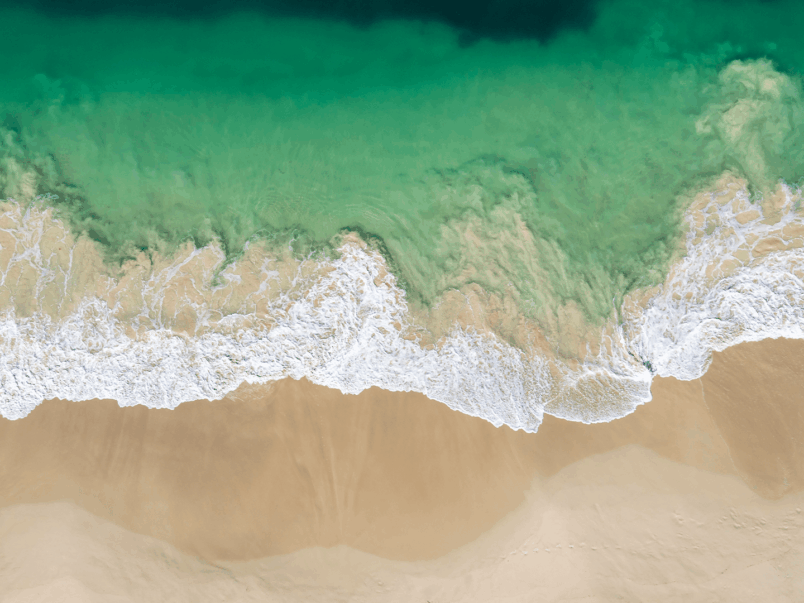
Stretching along the Sunshine Coast are sandy beaches, dunes, rocky shores and the associated marine and tidal regions. These areas, known as beaches and foreshores, are often referred to as coastal zones.
This habitat’s interaction between land, air and water creates a unique and ever-changing environment, making beaches and foreshores essential for the protection of coastal regions.
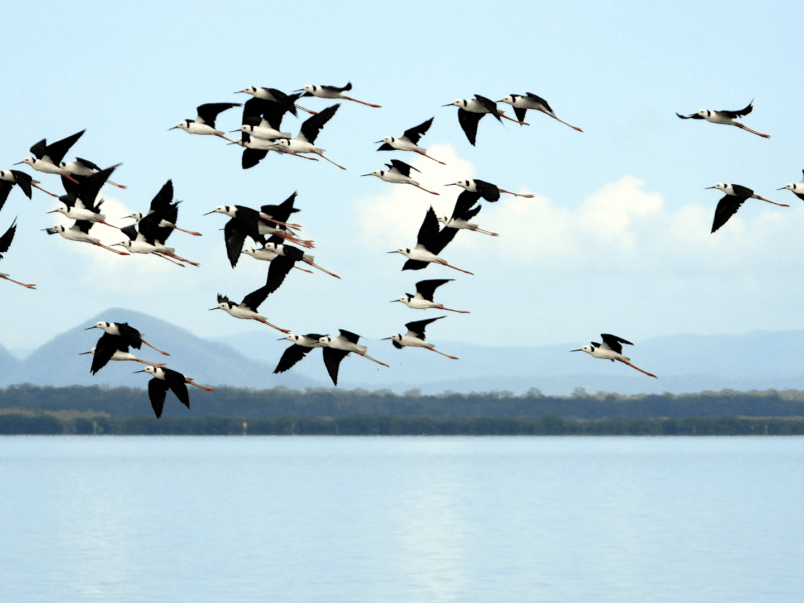
Within this habitat, coastal plants such as sand dune grasses play a vital role in stabilising soil, preventing erosion and providing food and shelter to animals. Natural barriers created by dunes and the habitat’s flora species also help protect coastal areas from damage by absorbing the energy of waves and tides.
Beyond their ecological importance, these coastal habitats enhance a region’s beauty and often offer spaces for recreation, relaxation, and appreciation of the natural world.
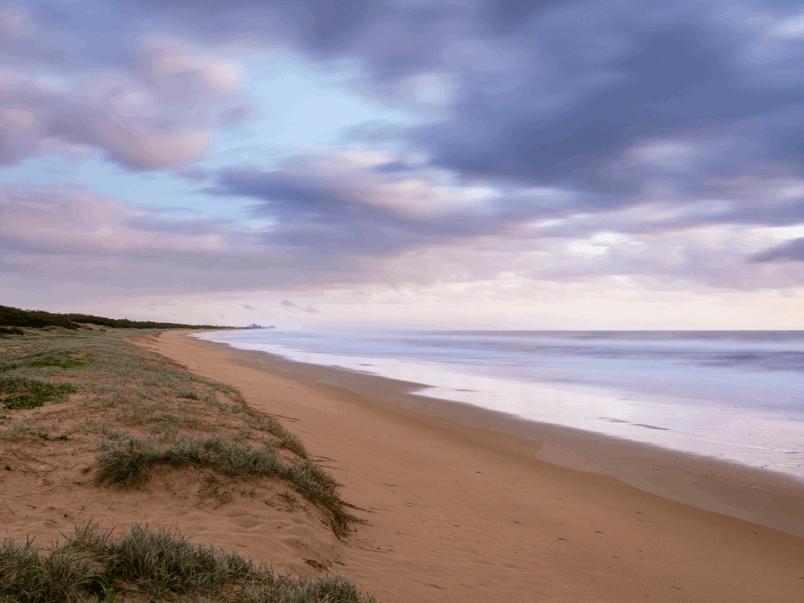
The sand on a beach can ‘sing’ or whistle’! Commonly known as singing sand, this phenomenon occurs due to the friction between uniform sand grains when they are dry and packed tightly.