
Flora
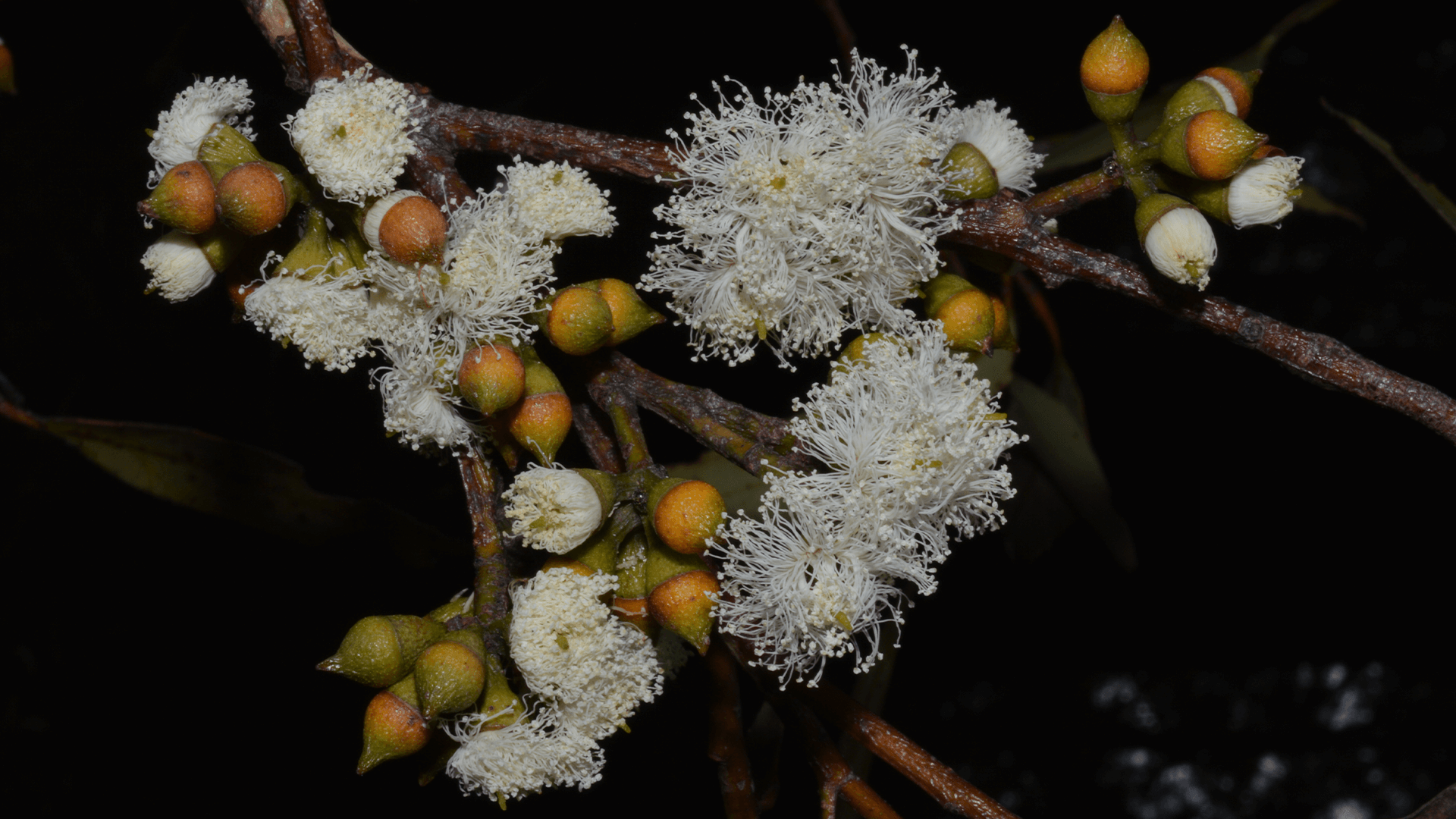
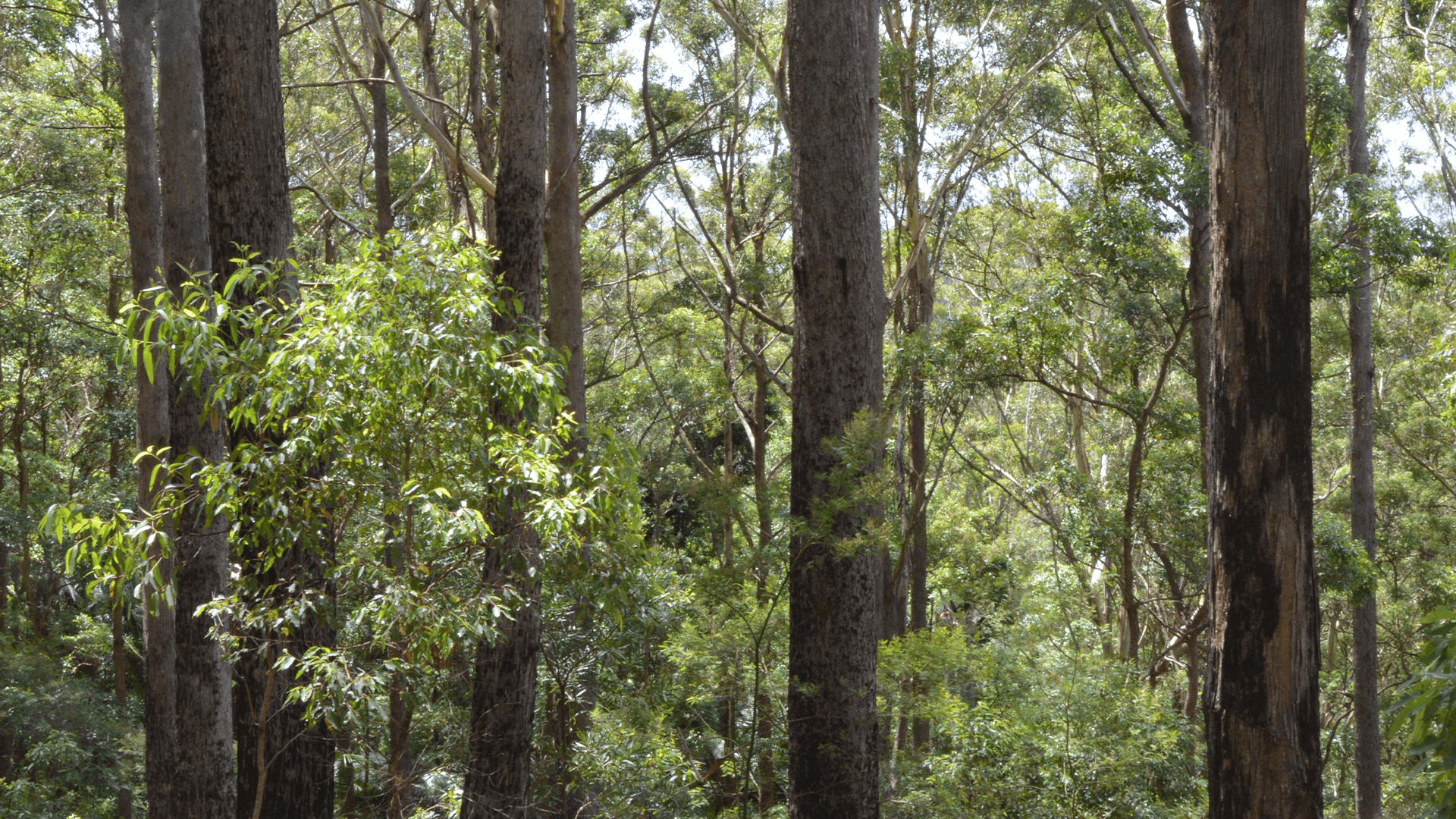
As its name suggests, the Blackbutt forest predominately features leafy, towering Blackbutt trees, scientifically known as Eucalyptus pilularis.
Blackbutt trees are common in coastal forests, and can tower at 70 metres, with trunks measuring up to 3 metres. Named from its distinguishing rough bark at the tree’s base which is usually charred black from past bush fires, Blackbutt trees are one of the highest value timber trees, due to their high fire resistance. This is why they are one of the few hardwood timbers chosen for use in homes located within bushfire prone areas.
Blackbutt trees are seen to have ‘half bark’, meaning the lower trunk has rough, fibrous bark, while the upper trunk and branches are normally smooth and white to yellow in colour. This type of tree sheds it bark in strips, leaving behind its signature insect ‘scribbles’ on the bark.
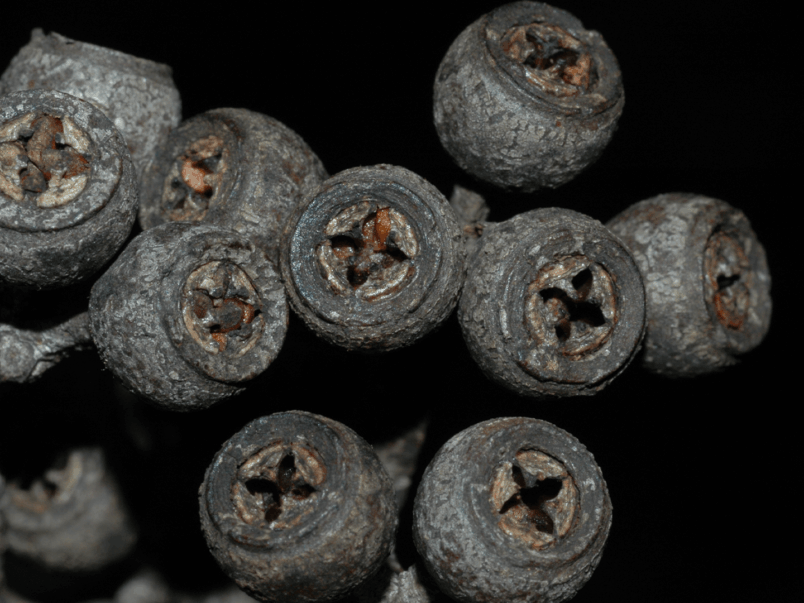
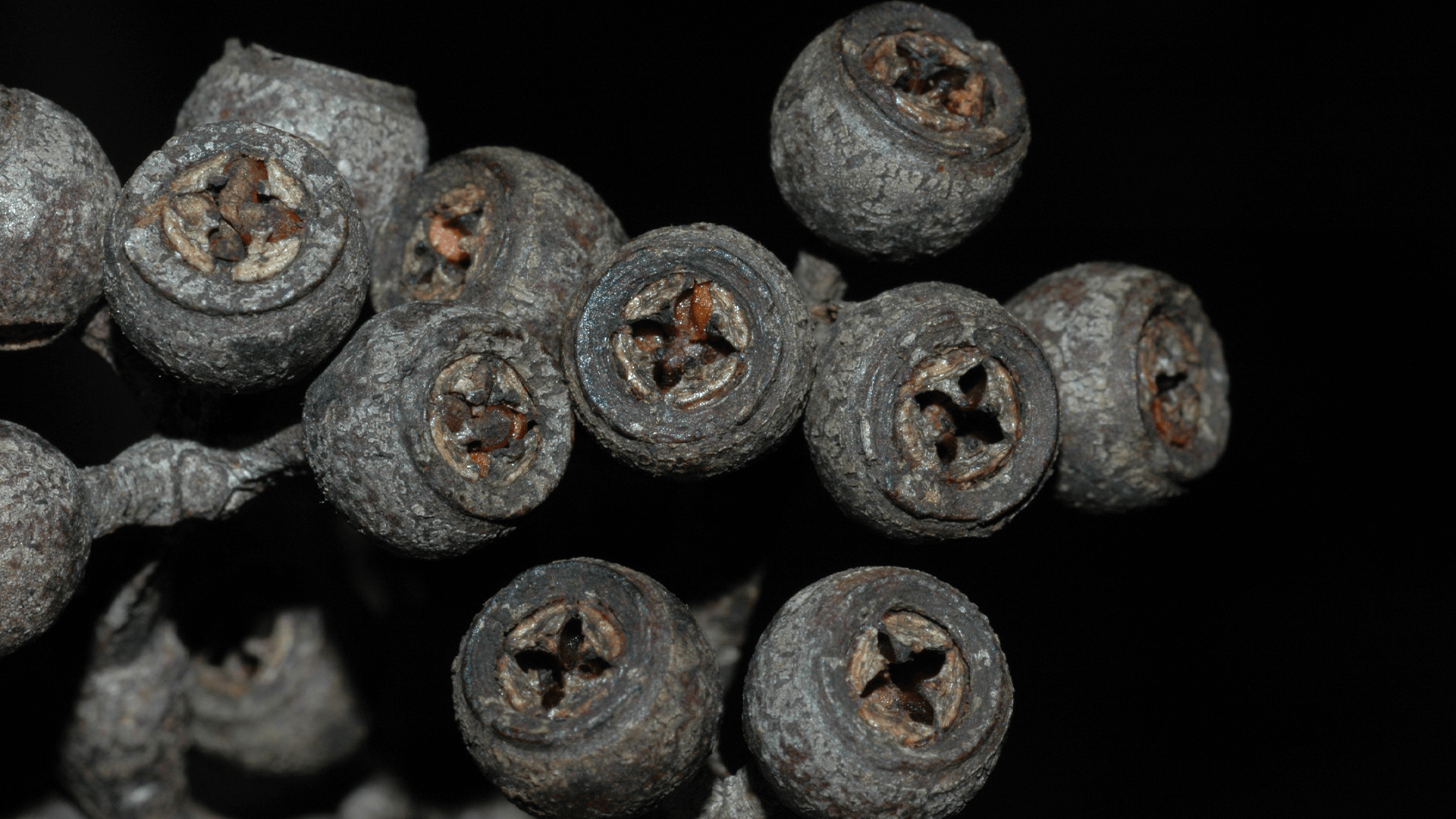
Want to know how to identify a eucalypt species? Look around the base of the tree and you’ll uncover flower buds and fruit. Grown within a woody capsule, eucalypt flowers have unique shapes and features, depending on the species. The wooden capsule (fruit) which is commonly known as a gumnut, is one of the important features that identifies species of eucalypts.