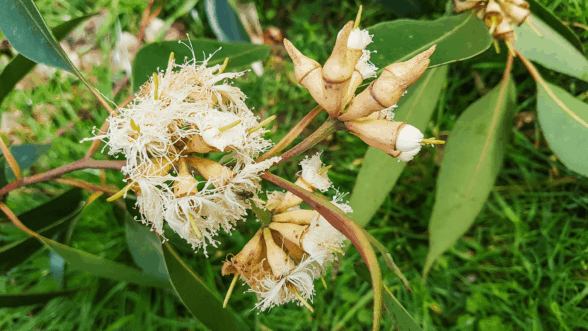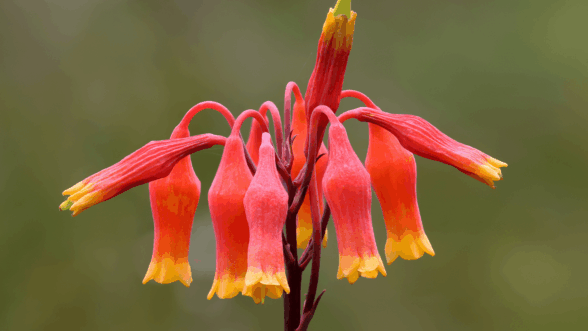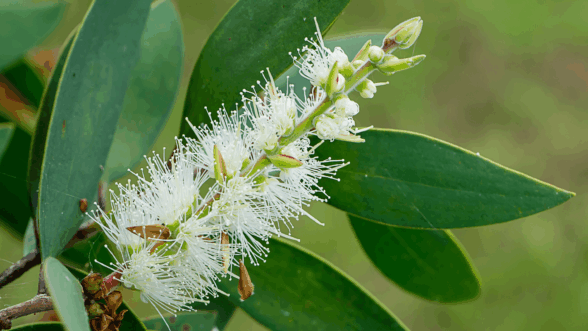
The Melaleuca open forest is a distinctive habitat dominated by Melaleuca trees, such as paperbarks.
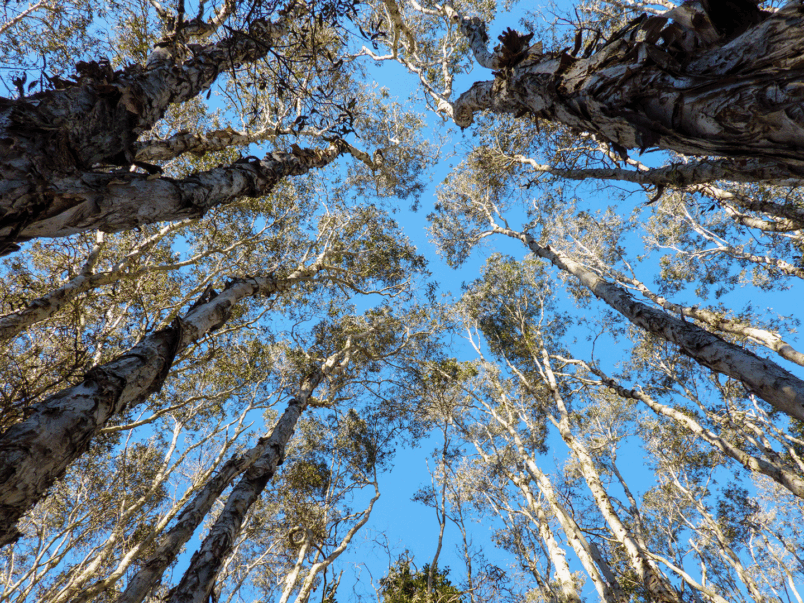
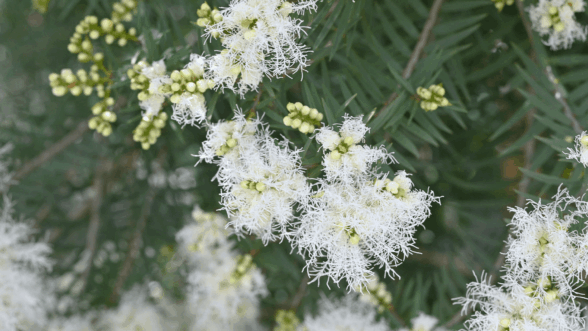
The Melaleuca open forest is a distinctive habitat dominated by Melaleuca trees, such as paperbarks.
This habitat thrives in a moisture rich environment with areas of coastal alluvium- which is nutrient-dense, sandy soils that are often waterlogged or prone to flooding.
These forests are typically found near rivers and creeks, in wetlands and generally waterlogged areas.
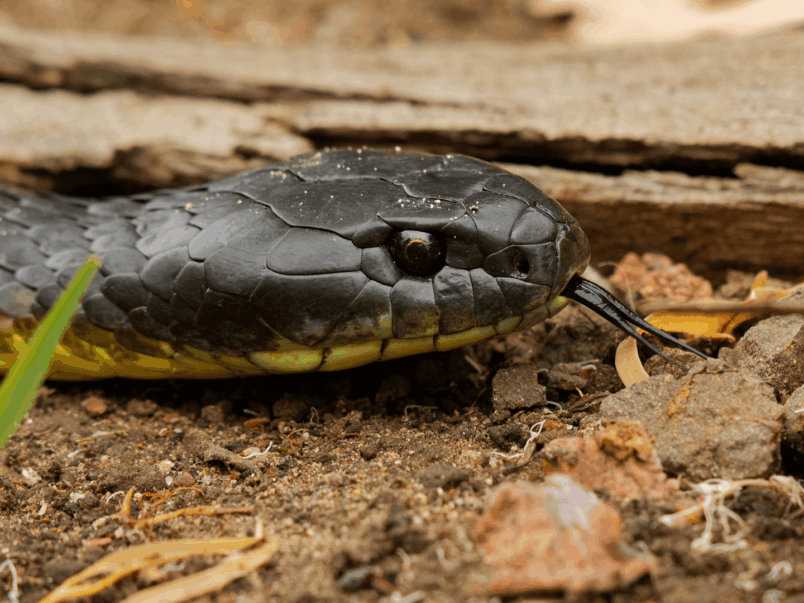
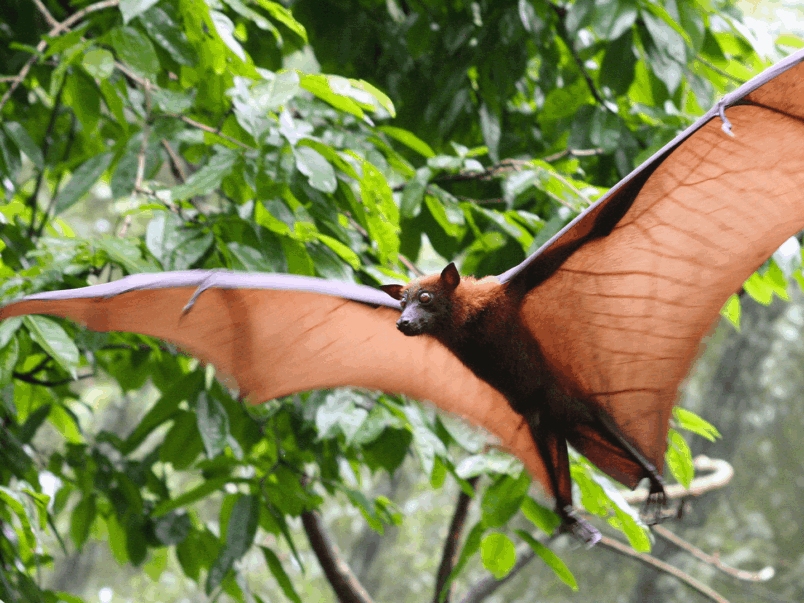
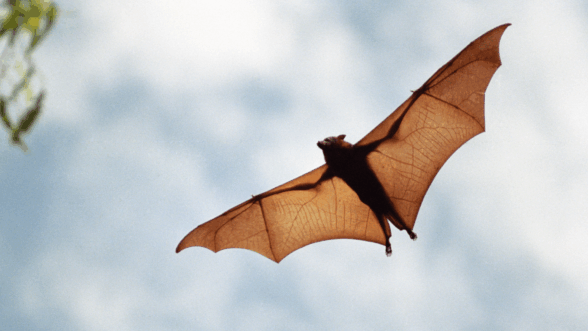
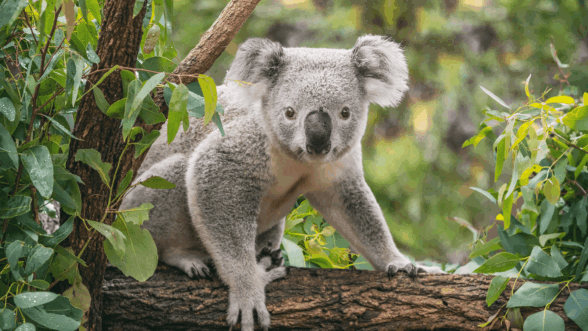
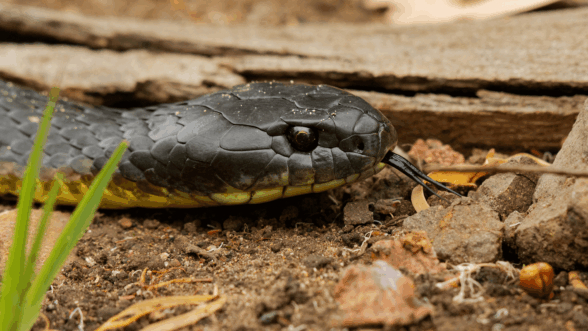
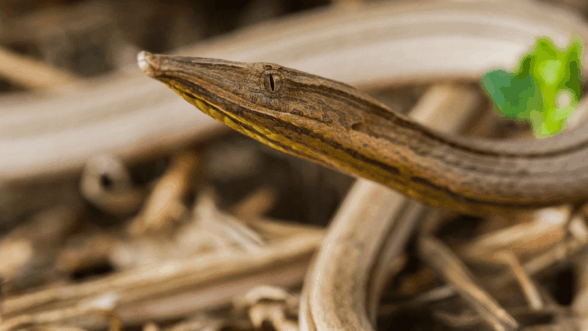
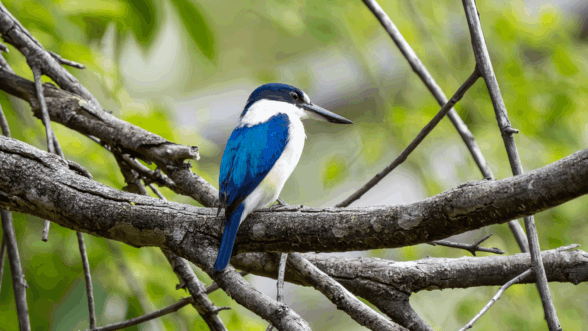
This habitat is an important home for many species including frogs such as Wallum sedge frogs, mammals birds and insects that rely on the abundant water, nectar and pollen, unique microhabitats and the dense vegetation for breeding and protection.
Melaleuca wetland plants have a high rate of nutrient absorption- they retain pollutants, trap sediment, and in association with microbial processes in this wet environment, improve water quality and ecosystem health.
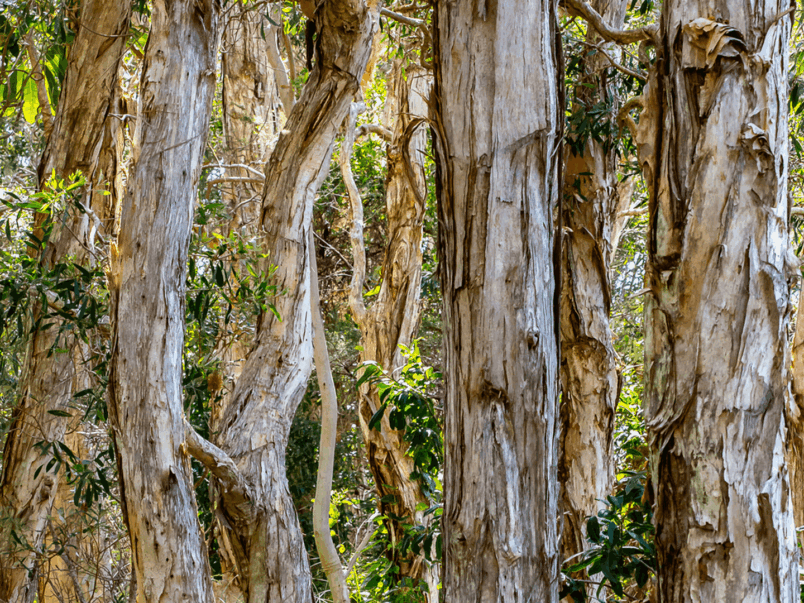
The papery, peeling bark of a Melaleuca tree helps protect it from fire, and provides nesting material for birds and insects.